Put Your Lights On: The Story of Everlast
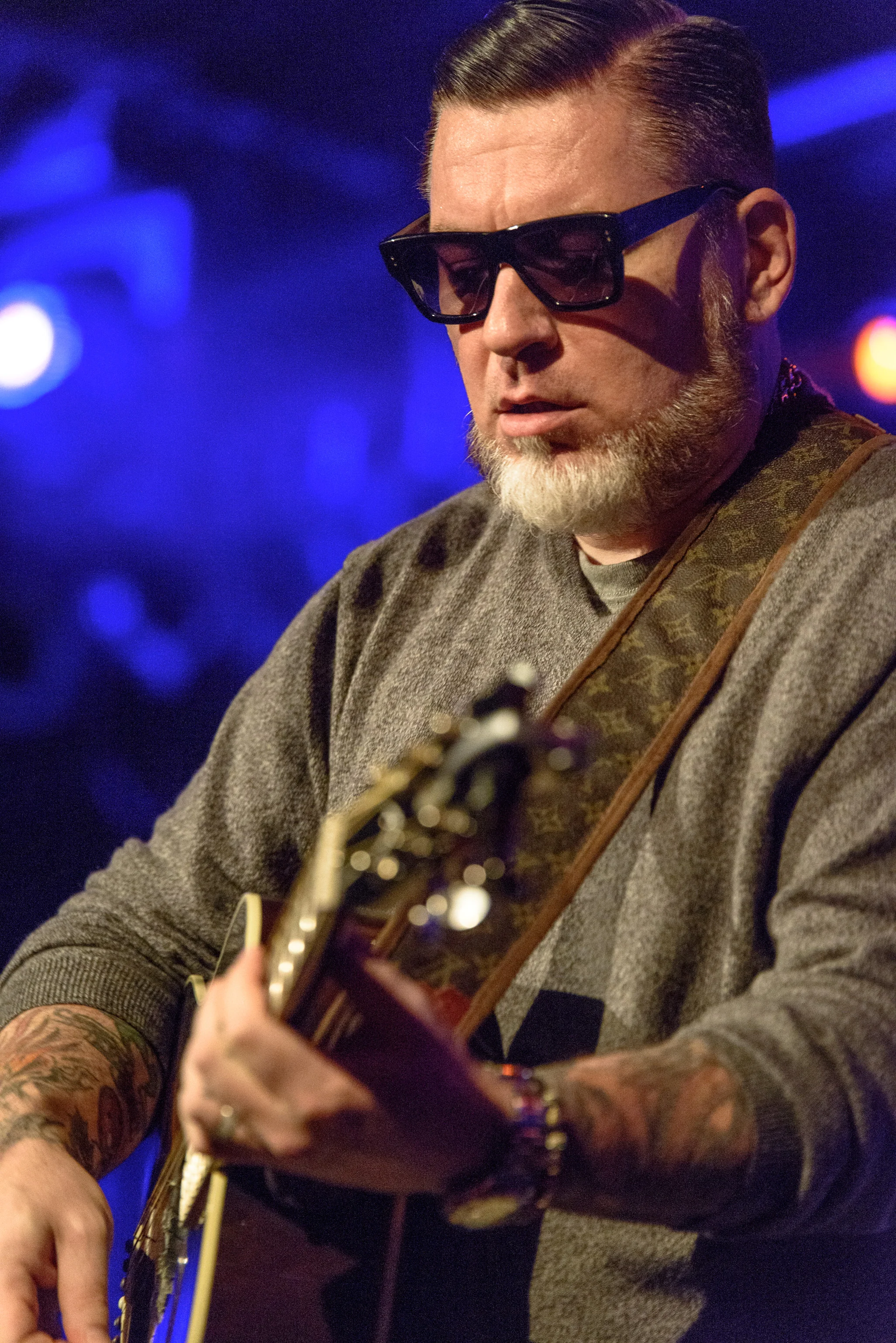
Everlast
27 years old, from United States
Previous Religion: Catholicism
My Life Before Islam
Erik Schrody, known to the world as Everlast, was born on August 18, 1969, on Long Island, New York, and raised in Los Angeles. The son of a middle-class Irish and Puerto Rican family, he grew up Catholic but drifted from the church in his teenage years. Drawn to the emerging hip-hop culture, he founded the rap group House of Pain with DJ Lethal, and in 1992 the group exploded onto the charts with the iconic hit "Jump Around," a party anthem that made him rich and famous overnight. Yet the fame of the early nineties left him hollow, and he has spoken of a period of pills, drink and restlessness that his success could not cure.
The Moment of Guidance
Everlast's path to Islam began during the mid-nineties, a turbulent period marked by his battle with addiction and a life-threatening heart condition. Faced with his own mortality, he began a serious search for meaning, and through conversations and study he found himself increasingly drawn to Islam's monotheism and discipline. He has credited his embrace of Islam with helping him turn his life around, giving him a spiritual anchor just as he rebuilt himself musically. By 1996 he had become a Muslim, and contemporaries have recalled how seriously he took his new faith, reading and learning quietly and praying regularly while he worked on the music that would define his next chapter.
Reflections
By 1996, in the middle of his own dark night, Erik Schrody embraced Islam and took on the discipline of a Muslim life. The conversion came as part of a broader rebirth: he overcame his addictions, recovered his health and poured his new sobriety and faith into songwriting. The result was the album "Whitey Ford Sings the Blues," released in 1998, which folded his love for blues and folk into hip-hop and earned him a Grammy nomination. The album's raw, spiritual honesty was the sound of a man who had found God in the wreckage of his own life, and it connected with millions who had never heard hip-hop speak that way before.
Everlast's legacy is the sound of redemption. His 1998 album "Whitey Ford Sings the Blues" went platinum and was nominated for two Grammy Awards, and his collaboration with Santana on "Put Your Lights On" won the Grammy for Best Rock Performance by a Duo or Group in 2000. He has continued to release solo albums such as "Eat at Whitey's," "White Trash Beautiful" and "Whitey Ford's House of Pain," and he returned to the stage with House of Pain for the 2010s. Asked about his religion in 2015, he answered simply that Islam is his personal relationship with God. His journey from addiction and doubt to faith and art remains a powerful American testimony.