From Sink Estate to Greatness: The Story of Franck Ribéry
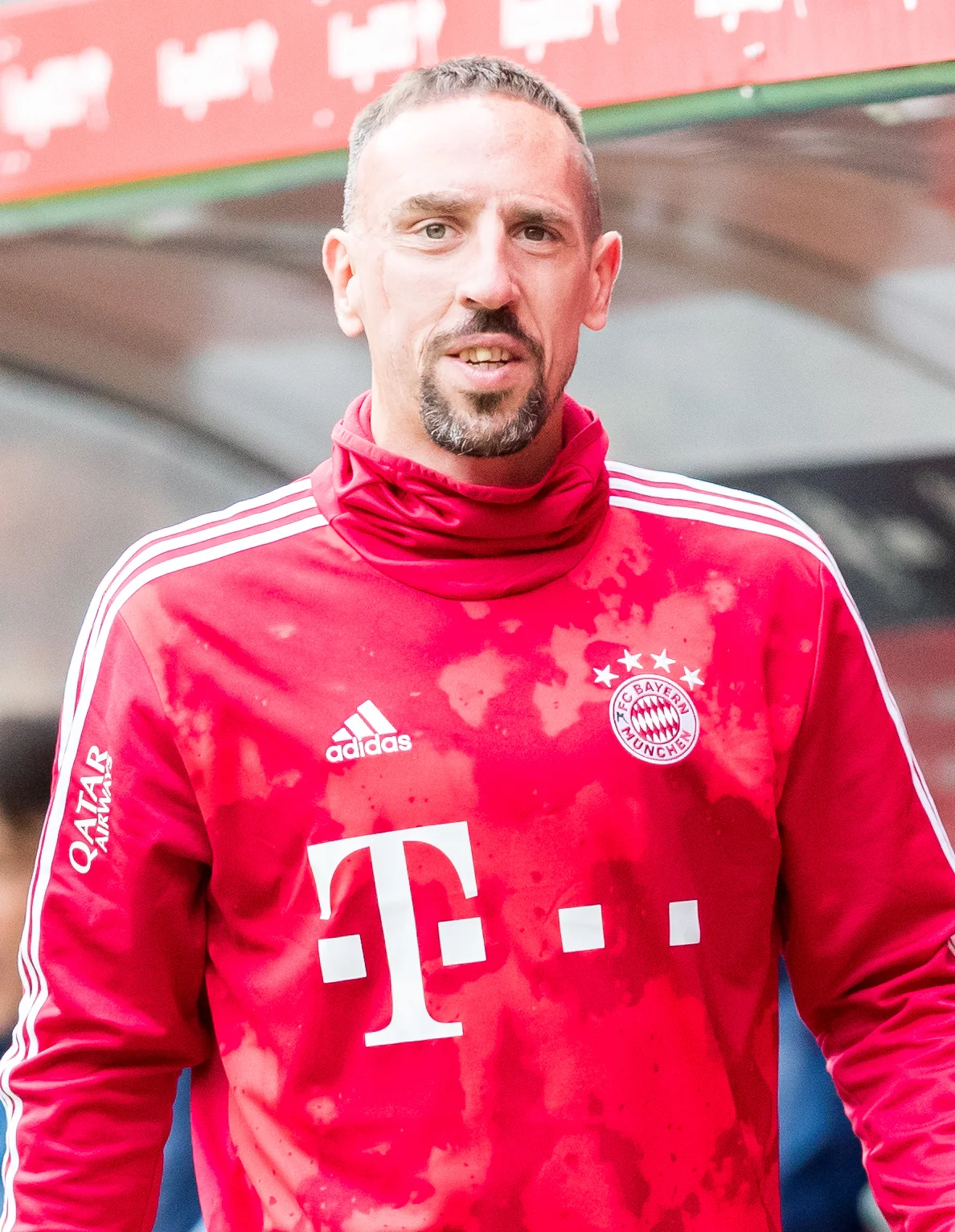
Franck Ribéry
19 years old, from France
Previous Religion: None
My Life Before Islam
Franck Ribéry was born on April 7, 1983, in Boulogne-sur-Mer, a port town in northern France, and raised in a low-income neighbourhood on the city's fringes. When he was two years old, a car accident left him with more than a hundred stitches and two long scars running down the right side of his face. He later said that God gave him this difference, and that the scars were part of who he was. Football became his escape and his great hope. Before ever reaching the professional game, he worked as a construction worker alongside his father, learning on the hardest of apprenticeships the value of effort and patience.
The Moment of Guidance
As a young man, Ribéry lived among a community in which Muslims were a familiar and respected presence, and it was there that Islam first began to attract him. He was drawn to the faith through the people he knew and admired, above all Wahiba, a young French woman of Algerian descent whom he came to love. Her family's quiet devotion and the simple, dignified practice of their religion impressed him deeply. In their lives he saw a stability and a moral compass that his own hard early years had not offered him, and step by step he moved closer to Islam.
Reflections
Around 2002, at the age of nineteen and before his marriage, Ribéry embraced Islam and took the name Bilal Yusuf Mohammed. The decision was a quiet, personal turning point rather than a public spectacle, and he carried it with him through every stage of his career. He then married Wahiba, and together they built a family rooted in the faith he had chosen. As his fame grew he never hid his beliefs, praying, fasting, and raising his children as Muslims, and naming his son Seif el Islam, meaning the Sword of Islam. Faith became the anchor of a life lived in the glare of the world's attention.
Ribéry went on to become one of the greatest wingers of his generation, most famously at Bayern Munich, where he won a remarkable collection of trophies, including the Champions League and the historic treble of 2012–13, in a celebrated partnership with Arjen Robben. He also gave France eighty-one caps and reached the final of the 2006 World Cup. Throughout his years of glory he remained openly proud of his Muslim faith, a rare example of a global superstar for whom religion was neither an embarrassment nor a performance. His story continues to inspire young Muslims who dream of greatness on the pitch and dignity off it.